National Holiday
Veteran's Day-1pm Dismissal
Wednesday, November 11, 2026 at 12:00 AM – 12:00 AM
About This Event
Historical Summary:
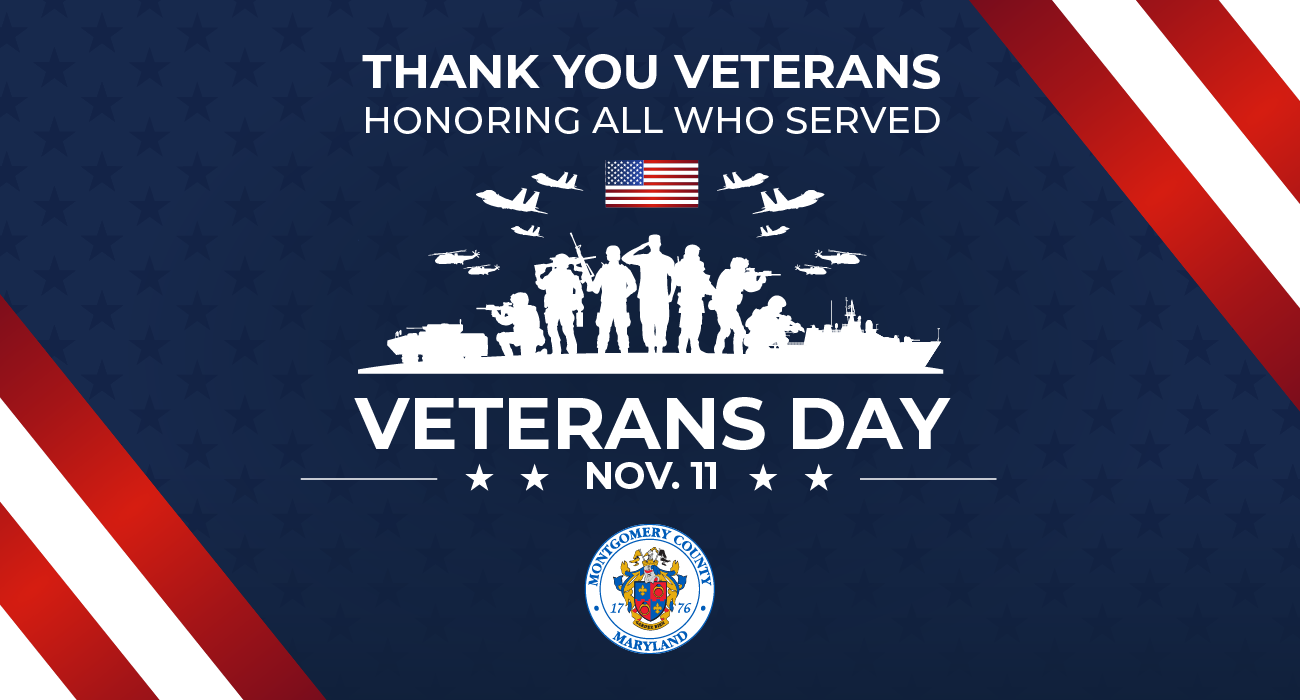
On the 11th hour of the 11th day of the 11th month of 1918, an armistice, or temporary cessation of hostilities, was declared between the Allied nations and Germany in the First World War, then known as The Great War. Commemorated as Armistice Day beginning the following year, November 11th became a legal federal holiday in the United States in 1938. In the aftermath of World War II and the Korean War, Armistice Day became Veteran’s Day, a holiday dedicated to American veterans of all wars.
Celebrating this holiday brings to mind the many connections the military has with the mission of firefighting for the land management agencies. This offers an opportunity to learn more about our military coworkers and our interesting and intertwined past.
The use of military resources in wildland fire suppression began August 20, 1886, as the Army led troops into Yellowstone National Park where forest fires had raged for months. The men were ordered to battle the flames, beginning the federal government’s role in forest fire control. It was these Army firefighters and their successors at Yellowstone that developed firefighting strategies and tactics that are still used today. The troops in Yellowstone National Park become the first paid wildland firefighters.
1939 – The newly organized Alaska Fire Control Service and the military suppressed fires in Alaska during World War II. Smoke from these fires was a hindrance to flight and considered a threat to national security.
1940 – US Army Major William H. Lee visits the United States Forest Service (USFS) Region 1 (Northern Region) smokejumper training camp at Seeley Lake, Montana. He later incorporates USFS techniques in the establishment of the U.S. Army Airborne. Major Lee commands the 101st Airborne during World War II and becomes known as the “Father of the Airborne Troops.”
1945 – Continued expansion of the smokejumper program and returning war veterans increase the number of smokejumpers from 110 to 220. During the severe fire season of 1945, smokejumpers prove to be invaluable firefighters. Members of the 555th Parachute Infantry Battalion, the nation’s first African-American parachute infantry battalion, were trained at timber jumping and firefighting to combat Japanese incendiary balloons. Though the balloons did not materialize, the 300 paratroopers of the 555th were used as suppression crews on large fires throughout the west. They responded to 36 fire calls and made a total of 1,200 individual jumps. In addition to the 555th, 14 military pararescue smokejumpers were also trained. By 1946, USFS Region 1 had 146 smokejumpers, 84% of them war veterans. The same year, Region 6 (Pacific NW Region) had smokejumping’s first fatality in the line of duty, Private First Class Brown, a medic and member of the 555th.
1956 – The XH-40, the “granddaddy” of the H-1 helicopters, made its first flight. The Bell UH-1 "Huey" later became the representative helicopter of the Vietnam era and the most successful military aircraft in aviation history. The influx of combat-trained pilots post-war naturally fit in well with the challenges of flying fire suppression missions. To get firefighters on the ground quickly, fire managers utilized the helicopter for rappel, adopting and adapting the military technique.
On the 11th hour of the 11th day of the 11th month of 1918, an armistice, or temporary cessation of hostilities, was declared between the Allied nations and Germany in the First World War, then known as The Great War. Commemorated as Armistice Day beginning the following year, November 11th became a legal federal holiday in the United States in 1938. In the aftermath of World War II and the Korean War, Armistice Day became Veteran’s Day, a holiday dedicated to American veterans of all wars.
Celebrating this holiday brings to mind the many connections the military has with the mission of firefighting for the land management agencies. This offers an opportunity to learn more about our military coworkers and our interesting and intertwined past.
The use of military resources in wildland fire suppression began August 20, 1886, as the Army led troops into Yellowstone National Park where forest fires had raged for months. The men were ordered to battle the flames, beginning the federal government’s role in forest fire control. It was these Army firefighters and their successors at Yellowstone that developed firefighting strategies and tactics that are still used today. The troops in Yellowstone National Park become the first paid wildland firefighters.
1939 – The newly organized Alaska Fire Control Service and the military suppressed fires in Alaska during World War II. Smoke from these fires was a hindrance to flight and considered a threat to national security.
1940 – US Army Major William H. Lee visits the United States Forest Service (USFS) Region 1 (Northern Region) smokejumper training camp at Seeley Lake, Montana. He later incorporates USFS techniques in the establishment of the U.S. Army Airborne. Major Lee commands the 101st Airborne during World War II and becomes known as the “Father of the Airborne Troops.”
1945 – Continued expansion of the smokejumper program and returning war veterans increase the number of smokejumpers from 110 to 220. During the severe fire season of 1945, smokejumpers prove to be invaluable firefighters. Members of the 555th Parachute Infantry Battalion, the nation’s first African-American parachute infantry battalion, were trained at timber jumping and firefighting to combat Japanese incendiary balloons. Though the balloons did not materialize, the 300 paratroopers of the 555th were used as suppression crews on large fires throughout the west. They responded to 36 fire calls and made a total of 1,200 individual jumps. In addition to the 555th, 14 military pararescue smokejumpers were also trained. By 1946, USFS Region 1 had 146 smokejumpers, 84% of them war veterans. The same year, Region 6 (Pacific NW Region) had smokejumping’s first fatality in the line of duty, Private First Class Brown, a medic and member of the 555th.
1956 – The XH-40, the “granddaddy” of the H-1 helicopters, made its first flight. The Bell UH-1 "Huey" later became the representative helicopter of the Vietnam era and the most successful military aircraft in aviation history. The influx of combat-trained pilots post-war naturally fit in well with the challenges of flying fire suppression missions. To get firefighters on the ground quickly, fire managers utilized the helicopter for rappel, adopting and adapting the military technique.
Details