Monday, September 5, 1988
The History of Labor Day
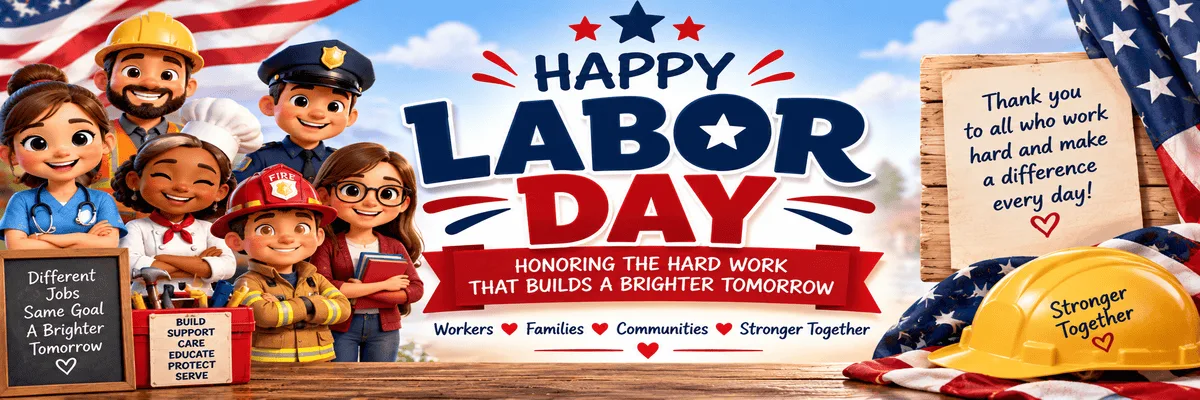
Labor Day is celebrated in the United States on the first Monday of September. Today, many people think of it as the unofficial end of summer, a long weekend, cookouts, parades, and one last chance to enjoy the warm weather. But Labor Day began for a much more serious reason. Its story is about the millions of working people who helped build America and the long struggle for safer workplaces, reasonable hours, fair treatment, and a better life for their families. America Was Changing During the 1800s, the United States was growing rapidly. Factories, railroads, mines, mills, construction projects, and other industries created enormous economic growth. But working conditions could be extremely difficult. Many workers spent 10, 12, or even more hours a day on the job, often six days a week. Workplace safety protections were limited, injuries were common, and children also worked in many industries. Workers began organizing together to demand change. Labor unions grew, and workers pushed for things we might take for granted today, including shorter working hours, safer workplaces, better wages, and protections against unfair treatment. The First Labor Day Celebration One of the most important moments happened in New York City on September 5, 1882. Thousands of workers participated in a parade organized by the labor movement. Workers marched through the city to demonstrate the strength and importance of America's working people. After the parade, there were speeches, music, food, and celebrations. The idea caught on. Other cities and states began holding their own celebrations honoring workers and the labor movement. Interestingly, there has been historical debate over exactly who first proposed the Labor Day holiday. Peter J. McGuire, a prominent labor leader, and Matthew Maguire, a labor organizer, have both been credited with helping originate the idea. The Fight for Workers' Rights Labor Day developed during a period when conflicts between workers and employers could become extremely serious. Workers organized strikes and demonstrations demanding better conditions. Some of these confrontations became violent. One of the most significant occurred in 1894 during the Pullman Strike, a nationwide railroad conflict that disrupted transportation across much of the country. Federal troops were eventually sent in, and violence followed. That same year, Congress passed legislation making Labor Day a federal holiday. President Grover Cleveland signed it into law on June 28, 1894. Labor Day would officially be celebrated on the first Monday in September. What Labor Day Represents Labor Day was created to recognize the contributions workers have made to the strength, prosperity, and development of the United States. And "workers" means far more than factory workers. Teachers educate our children. Nurses and doctors care for us. Construction workers build our communities. Farmers help provide our food. Firefighters, police officers, sanitation workers, transportation workers, restaurant employees, office workers, small business owners, tradespeople, engineers, caregivers, and countless others keep communities functioning every day. Every job may look different, but together they help build the country we live in. Labor Day Today More than a century later, Labor Day has become both a national holiday and a celebration marking the end of summer. Schools and many government offices are closed. Families gather for cookouts and trips. Communities hold parades, festivals, and other events. But behind all of that fun is a history worth remembering. Labor Day exists because generations of working people believed that hard work deserved dignity, safety, respect, and a fair opportunity to build a better life. It is not simply a day off from work. It is a day to recognize the people whose work, in thousands of different ways, keeps our families, schools, communities, and country moving forward. Different jobs. Different skills. One enormous contribution to our communities. Happy Labor Day!
This date is shown automatically on every calendar — a specific school or district can mark itself open or closed for this holiday from its own settings.
